
I normally try to keep Force Five positive. The whole idea behind this site is to help people discover movies they might enjoy, whether that's a brand-new release, an overlooked classic or something completely ridiculous that I happened to stumble across.
I went into Ben Affleck's Animals knowing almost nothing about it, and while I thought the movie was fairly mediocre, I could still see a handful of things that might appeal to certain viewers. Under normal circumstances, I probably would have put together a short review explaining those things and moved on.
Then I learned Affleck had used artificial intelligence during the production.
A Mediocre Movie Becomes a Bigger Conversation
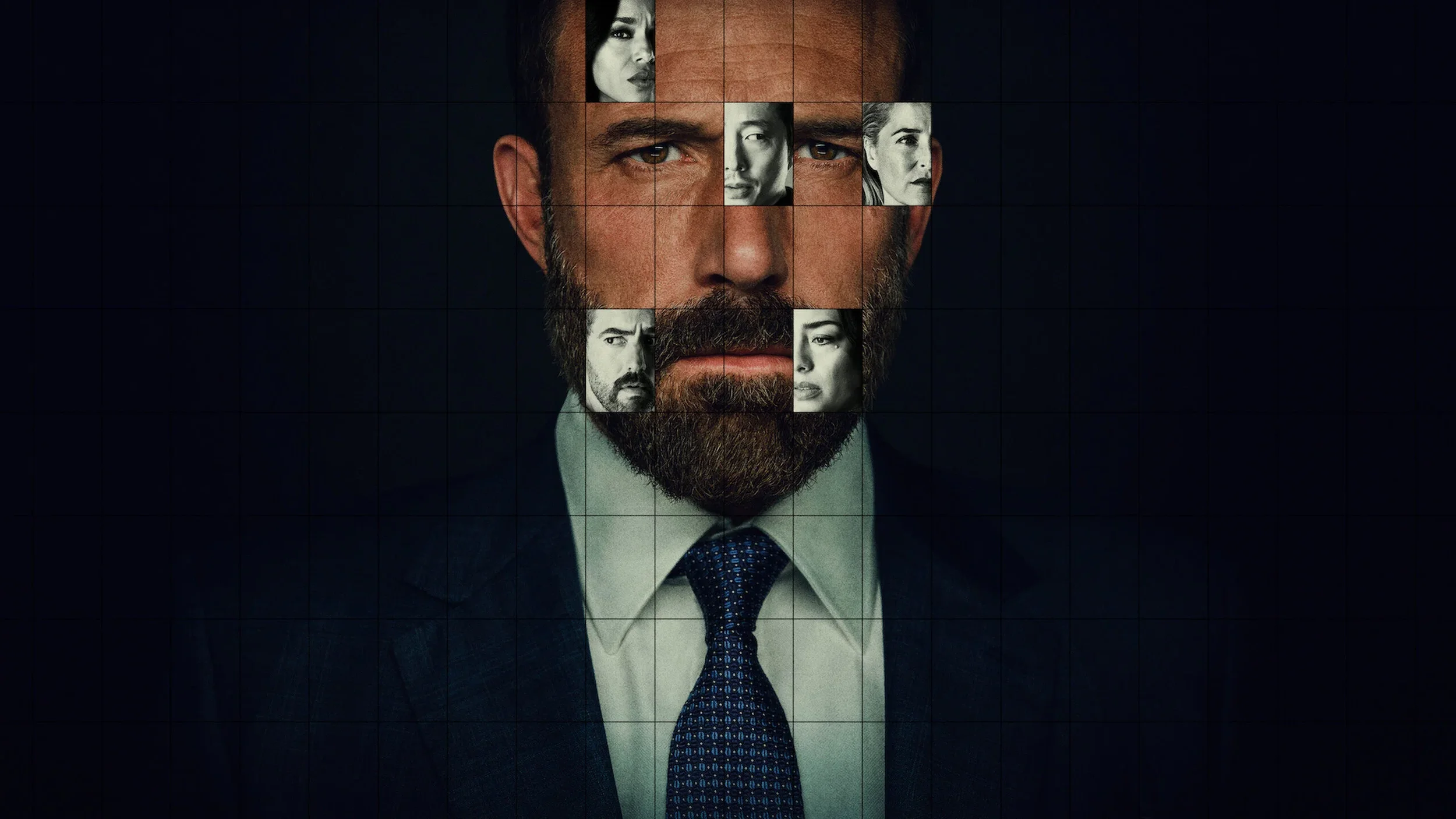
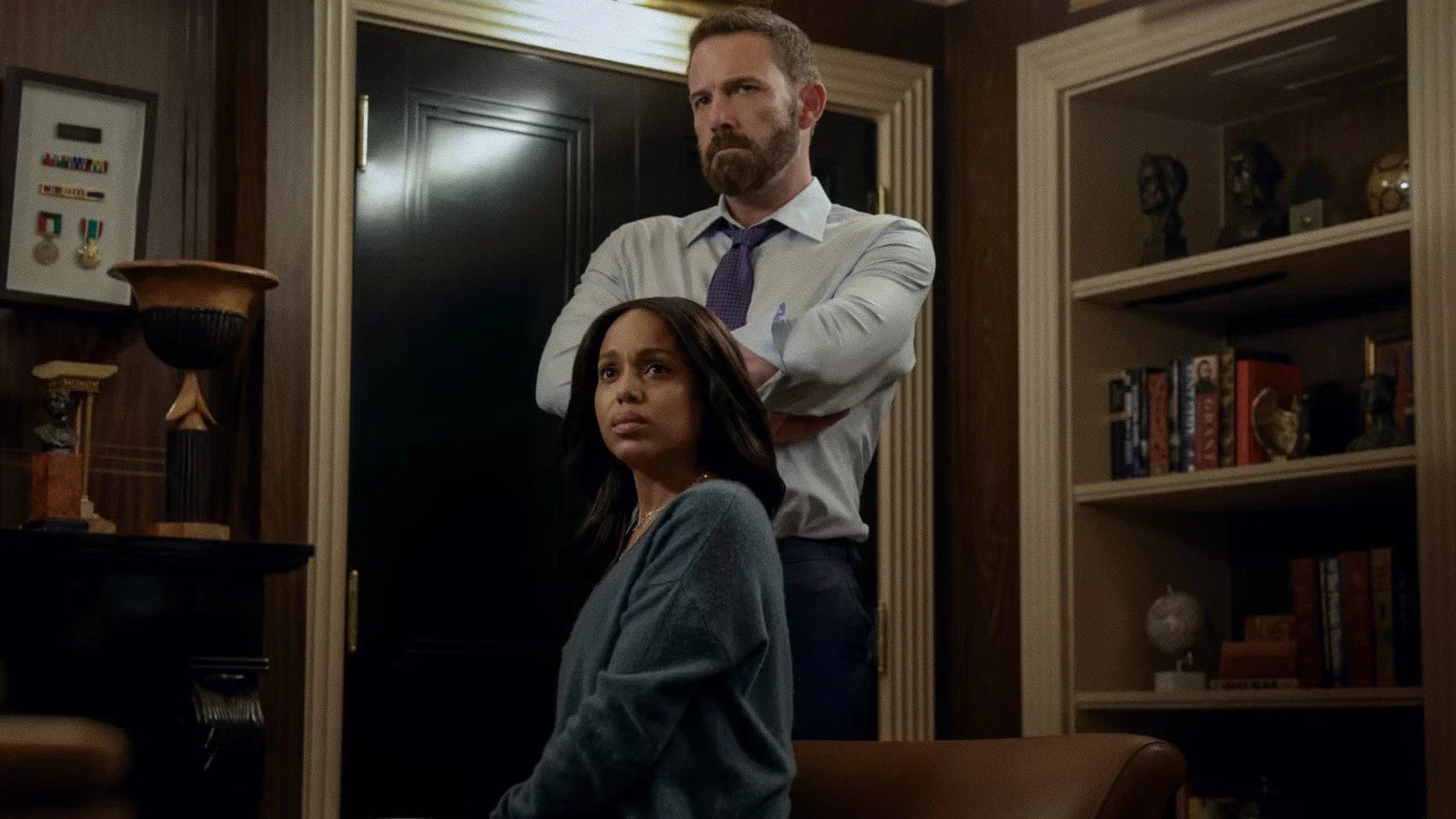
Animals is a 2026 Netflix thriller directed by and starring Ben Affleck. He plays Mark Kimball, a Los Angeles mayoral candidate whose son is kidnapped, forcing him and his wife Abigail, played by Kerry Washington, to scramble to secure the ransom while confronting secrets that threaten to destroy their family.
The supporting cast includes Steven Yeun and Gillian Anderson, and on paper there's enough here for an entertaining thriller. I went in completely blind. That's generally how I prefer watching movies whenever possible because I like being surprised. Unfortunately, I didn't think Animals was particularly memorable. Still, that wasn't necessarily going to stop me from recommending it to the right audience.
I don't believe every movie needs to be a masterpiece. Sometimes a movie has a strong performance, an interesting premise or one particularly effective sequence that's enough to make it worth somebody's time. That's the entire philosophy behind Force Five. But there's a difference between recommending a mediocre movie because certain people might enjoy it and recommending a movie when you have serious objections to how it was made.
In March 2026, Netflix announced that it had acquired InterPositive, an AI filmmaking technology company founded by Ben Affleck. According to Netflix, the company develops tools designed to help filmmakers with post-production challenges, including adjusting lighting, addressing background problems and maintaining visual consistency. Affleck has emphasized that the technology is intended to support human artists rather than replace them. Then, during a September 2026 appearance at Bloomberg's Screentime event, Affleck acknowledged using AI for multiple tasks on Animals.
He didn't want to identify exactly what had been done, explaining that filmmaking depends on preserving the audience's belief in what they're watching. His comparison was to a magician spoiling the illusion by revealing how a trick works. And that's where he lost me.
No, Ben. I don't think that's the same thing.
When I watch a magic show, I understand that I'm watching an illusion created by somebody with a particular set of skills. I don't need the magician to explain the mechanics of every trick. But I do expect an actual magician to be responsible for the performance. The distinction matters. Movies are also illusions, but they are illusions created by thousands of decisions made by human beings. Cinematographers, editors, visual-effects artists, production designers, animators and countless other people contribute to what eventually appears on the screen.
When somebody asks how artificial intelligence contributed to those images, I don't think the question is about spoiling the illusion. It's about understanding who or what created the work. Affleck went on to describe Animals as a human story, which is an interesting choice of words considering the larger controversy surrounding AI and its potential to replace creative labor.
I know technology has always changed filmmaking. Digital editing, computer-generated effects and countless other developments have transformed the industry. I also know that AI isn't one single technology and that using a specialized tool to adjust lighting isn't necessarily the same as generating an actor, a performance or an entire scene. But I don't think acknowledging those differences means we should stop questioning how these tools are being deployed, who benefits financially and what happens to the people whose skills previously accomplished that work.
I want to know what AI was responsible for, what human artists remained involved and whether the people doing that work were properly credited and compensated. Those are questions worth asking regardless of whether the final product is good. In the case of Animals, I didn't think the final product was particularly good to begin with, and once I learned about the AI involvement, I no longer felt comfortable giving the movie even a qualified recommendation.
Why I'm Not Recommending Animals
I'm not interested in telling other people what they are allowed to watch. If you enjoy Animals, that's your business, and I'm sure there are viewers who will connect with its story or performances more than I did. But this is my show, and I would rather support films where the people responsible for the creative work are clearly acknowledged and where audiences have meaningful information about the use of technologies that could fundamentally change the industry's workforce.
If you feel the same way, you can make that preference known through what you choose to watch and support. For me, Animals is a pass.
Prefer to Listen?
You can also hear this Force Five commentary in podcast form. Jason discusses his reaction to Animals, Ben Affleck's statements about artificial intelligence and why transparency about AI use has become an important issue in how he chooses which movies to recommend.
More Force Five
If you're interested in a different movie about wealthy, powerful people confronting the consequences of their decisions, Force Five's review of Digger (2026) examines Alejandro G. Iñárritu's strange corporate satire starring Tom Cruise. It's another film concerned with how powerful people control the stories told about their actions, although it approaches that question through considerably more ambitious and unusual filmmaking.
For another movie that explores the ethics of creating entertainment, Primetime (2026) takes a fictionalized look at the rise of To Catch a Predator. Robert Pattinson stars as Chris Hansen in a movie that asks uncomfortable questions about the relationship between the people creating entertainment, the people appearing in it and the audience consuming it.
And if you're simply looking for a thriller with a confined setting and a ridiculous premise, Flight Risk (2025) offers Mel Gibson's airplane-bound thriller starring Mark Wahlberg, Michelle Dockery and Topher Grace. It's far from a perfect movie, but its absurdity gives it a very different kind of appeal.
