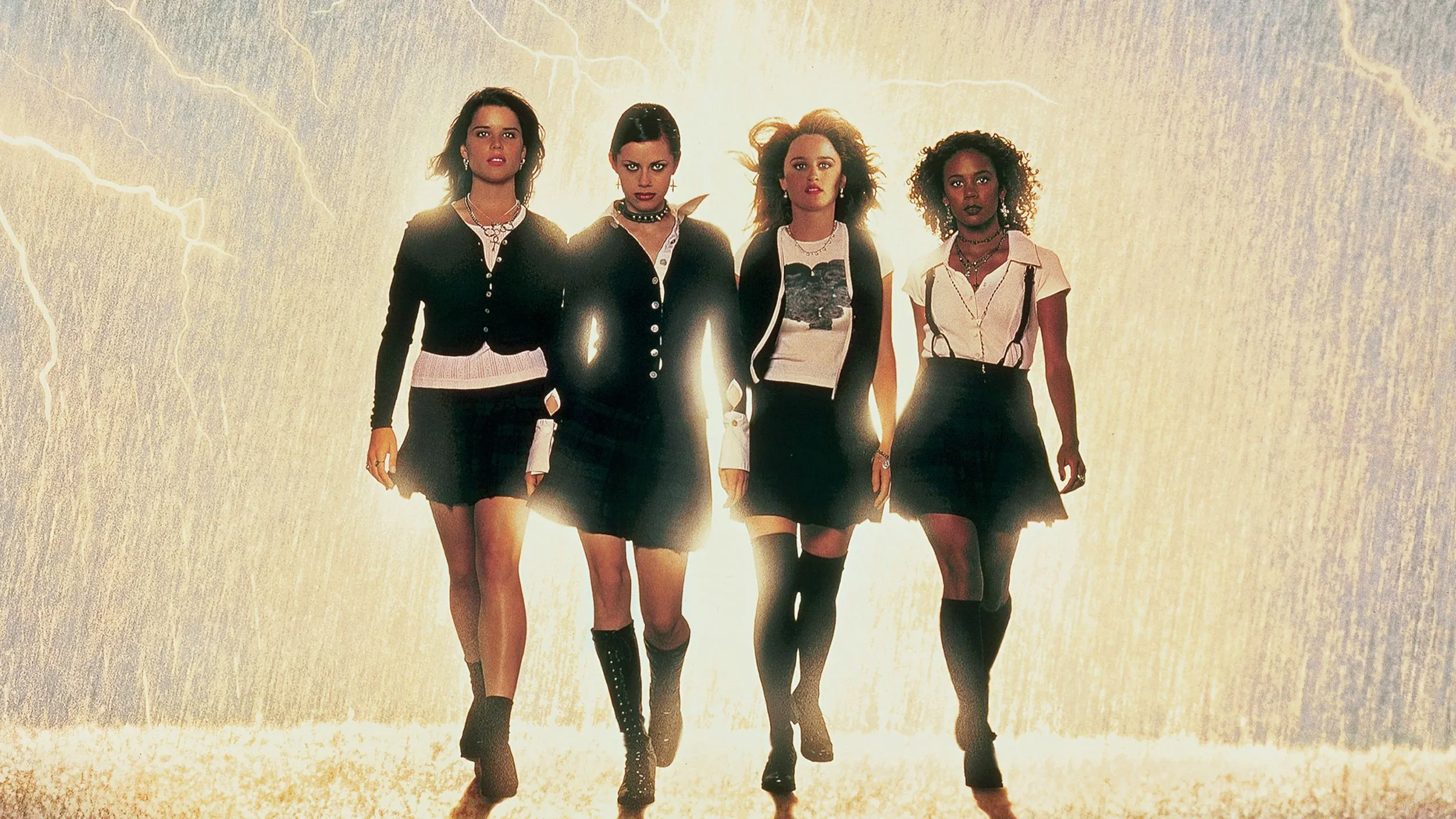
1996 was a pretty good year for Neve Campbell and Skeet Ulrich. Most people immediately think of Scream, but several months before Ghostface started terrorizing Woodsboro, both actors appeared in a very different horror movie about a group of high-school outsiders who discovered that witchcraft was a pretty effective way to deal with people they didn't like.
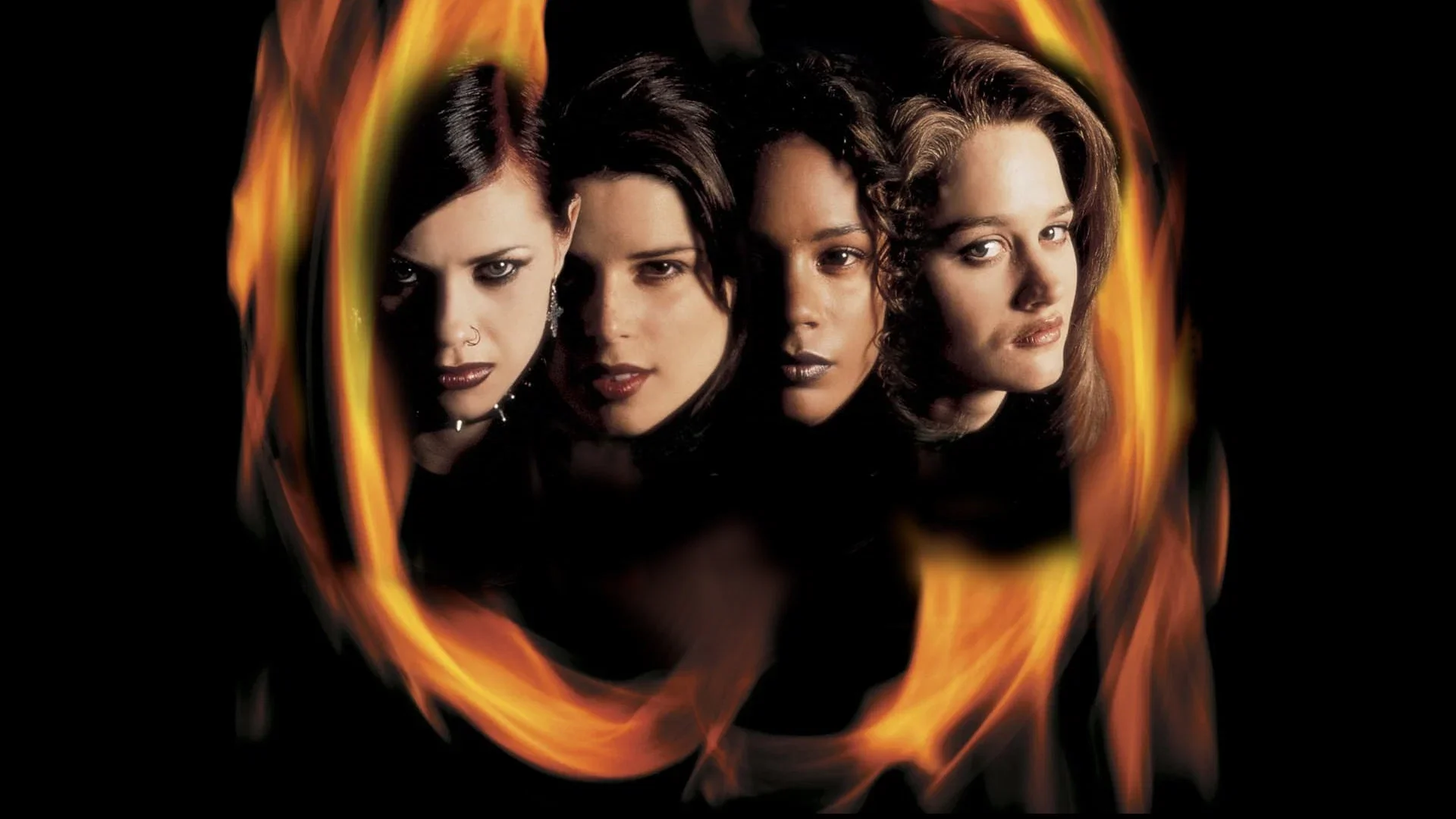
Directed by Andrew Fleming, The Craft stars Robin Tunney as Sarah Bailey, a teenager who moves to Los Angeles and falls in with three girls considered the resident weirdos at their Catholic high school. They've been experimenting with witchcraft and believe Sarah might be the fourth member they need to complete their coven. Unfortunately, when their powers begin working, the girls discover that having the ability to change your life doesn't necessarily make you a better person.
Thirty years later, The Craft remains an entertaining combination of supernatural horror, high-school drama and alternative culture. Here are five reasons you might want to give it another look.
5 Reasons to Watch The Craft
#5: It Takes Witchcraft Surprisingly Seriously
There are plenty of different kinds of witch movies. You've got the family-friendly witches of Hocus Pocus, the romantic witches of Practical Magic and the considerably more unpleasant versions found in The Witch and Suspiria. The Craft sits somewhere in the middle, presenting relatively normal teenagers who discover that witchcraft might give them control over lives where they previously had very little.
One of the things that helps sell the premise is that director Andrew Fleming actually tried to make the witchcraft feel authentic. He hired practicing Wiccan Pat Devin to advise the production, and she helped develop the rituals and incantations. Some were drawn from actual traditions while others were invented or adjusted for the film, including the fictional deity Manon.
Fleming has said that he wanted the movie to feel believable rather than turn the girls into traditional movie witches flying around on broomsticks. The supernatural material needed to feel like something these particular teenagers might actually believe in, even as the results became increasingly ridiculous.
That attention to detail helps distinguish The Craft from other teen horror movies of the era. The girls aren't simply given supernatural powers because the screenplay needs them to have powers. They're actively seeking out something that might give them a little control over their circumstances, which brings us to the next reason.
#4: It's Basically Mean Girls With Witchcraft
One of my favorite things about The Craft is that you could remove most of the supernatural material and still have a pretty entertaining high-school drama.
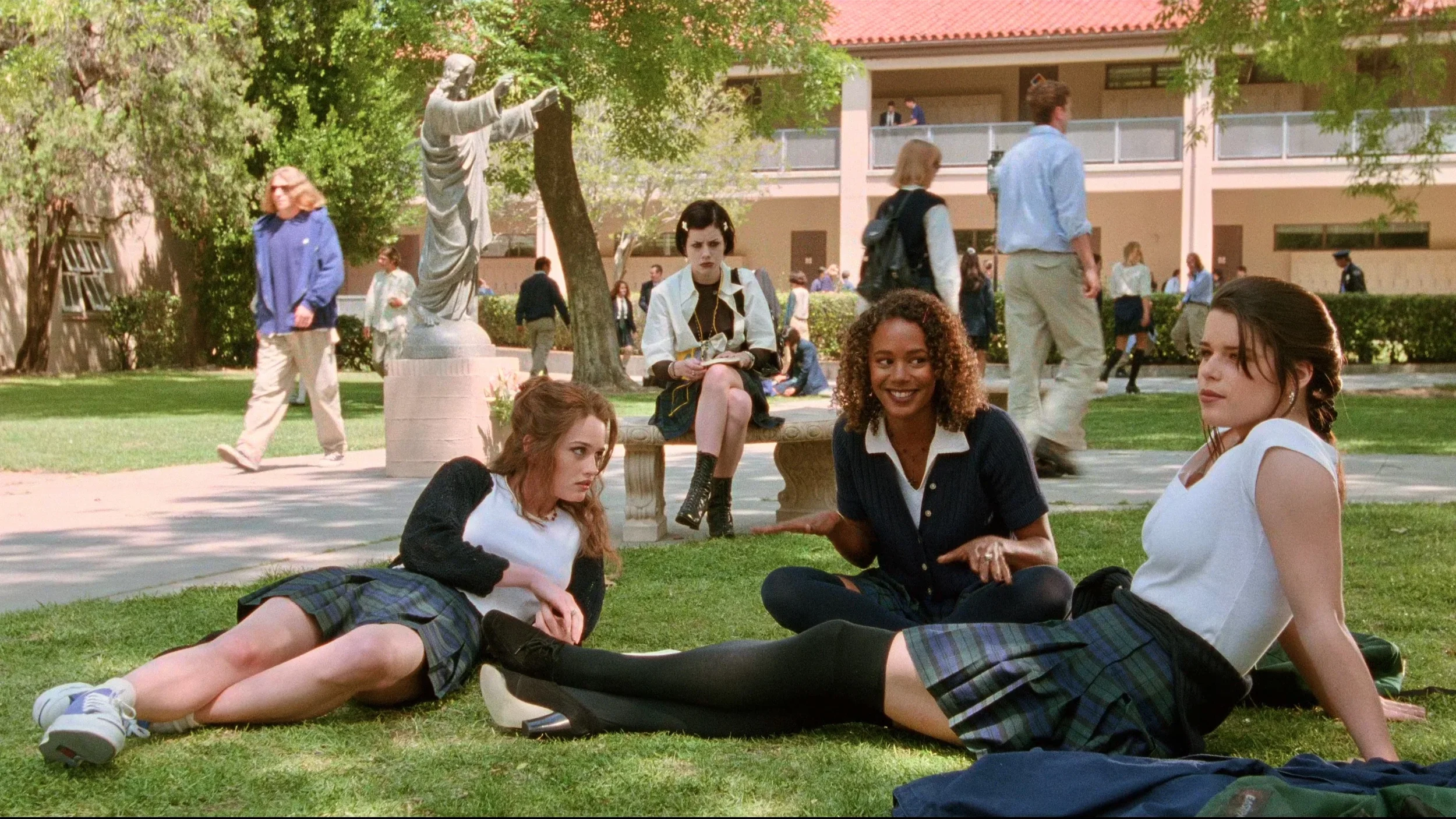
Sarah is the new girl trying to find somewhere she belongs. The popular kids treat everybody else like garbage, and Nancy, Bonnie and Rochelle are three outsiders who have spent enough time being mistreated that they're ready to turn the tables on their tormentors. The difference is that in most teen movies, revenge involves embarrassing somebody at prom or revealing the contents of a burn book. In The Craft, you can just cast a spell that makes somebody's hair fall out.
The movie came out eight years before Mean Girls, but there are some surprisingly similar social dynamics. You can also see elements of Heathers in the way the high-school hierarchy becomes genuinely dangerous. Like Jawbreaker, it understands that friendship can become a pretty effective tool for manipulation. What makes the girls interesting is that their problems are legitimate. They're dealing with bullying, poverty, insecurity and difficult home lives. Initially, it's satisfying to see them discover that they can do something about those problems. But the screenwriters also understood something important: being treated badly doesn't automatically make somebody a good person. Especially once they're given the opportunity to treat everybody else just as badly.
#3: The Practical Effects Still Look Fantastic
The Craft arrived during an interesting period in effects filmmaking. Computer-generated imagery was becoming increasingly ambitious, but directors were still figuring out the best ways to combine it with practical effects. Some of the digital work has definitely aged. The transformations in particular look like technology hadn't quite caught up with the filmmakers' imagination. But there are also sequences that I think look fantastic thirty years later.
The beach ritual is one of my favorites. The wind begins picking up, the waves become increasingly violent and Nancy eventually appears to walk on water. Fleming has talked about how the weather and surf became unexpectedly intense while they were filming, including a rogue wave that washed over the set. Then there's the finale, when Sarah is terrorized by snakes, rats, maggots and a collection of other creatures that made me seriously reconsider whether I needed to keep my eyes open. What makes that sequence even better is that a lot of those animals were real. Robin Tunney has talked about being surrounded by actual snakes, rats and maggots, and Fleming recalled the production using an enormous number of snakes for the staircase sequence.
I love watching movies from this period because you can see the transition happening in real time. Sometimes the early digital effects look painfully dated, but when the filmmakers had something physical in front of the camera, it still has a weight that can be difficult to replicate.
#2: It's a Perfect Time Capsule of Mid-90s Alternative Culture
If you were into alternative culture in the mid-1990s, The Craft probably feels like somebody opened a time capsule. The clothes, the makeup, the hair and especially the soundtrack are all unmistakably of their era. Fleming has said that he wanted the girls to resemble members of The Cure rather than traditional movie witches, and that influence runs through almost every part of their appearance. Dark clothing, heavy eyeliner, chokers, boots and Catholic-school uniforms that become increasingly rebellious as the girls become more powerful. By the end of the movie, it almost feels like the wardrobe department has declared war on the school dress code.
Then there's the music. The soundtrack includes Our Lady Peace, Sponge, Letters to Cleo, Spacehog and Love Spit Love, whose cover of The Smiths' "How Soon Is Now?" became one of the movie's most recognizable musical signatures. That recording would later become the opening theme for Charmed, a television series that owes more than a little to the supernatural popularity of movies like The Craft.
Like Empire Records, which also stars Robin Tunney, Reality Bites or The Doom Generation, this is a movie that captures a very specific cultural moment. There's something wonderfully nostalgic about a time when a mainstream studio horror movie could look and sound this aggressively alternative.
#1: Fairuza Balk Is an Awesome Witch
I don't think it's an exaggeration to say that Fairuza Balk is one of the biggest reasons The Craft has maintained such a devoted following. The other leads are all good, but Balk is operating on a completely different level as Nancy. She's funny, confrontational and completely uninterested in what anybody thinks about her. Early in the movie, that makes her an incredibly appealing character. She's the kind of friend who might get you into trouble but would also be the first person to stand up for you when somebody else is giving you a hard time. Unfortunately, once Nancy starts gaining power, she doesn't want to stop.
What begins as confidence gradually becomes arrogance. Her resentment becomes cruelty, and her friendship with the other girls turns into a desire to control them. Nancy starts the movie as somebody you can understand and maybe even sympathize with, but by the final act she's become a full-blown horror villain. Balk is fantastic at showing that transformation without making it feel like two completely different characters. Even when Nancy is doing horrible things, she's still recognizably the angry, insecure teenager we met at the beginning.
Balk would go on to give memorable performances in American History X and Almost Famous, but Nancy might be the role that best captures what makes her such a distinctive screen presence. She's funny, intimidating, occasionally sympathetic and absolutely terrifying when she wants to be. Thirty years later, she's still one of my favorite movie witches.
A Little Craft Trivia: Fairuza Balk Actually Bought an Occult Shop
While researching Nancy, Fairuza Balk became fascinated with a Hollywood occult shop called Panpipes. When she learned that the store might close, she decided to buy it. Balk helped keep the store operating before eventually selling it in 2001. Her ownership contributed to rumors that she was a practicing witch herself, although she's since explained that her interest came from researching the role rather than being a practicing Wiccan.
Still, buying an actual occult shop while preparing to play Nancy Downs might be one of the more committed examples of character research I've ever heard.
Who Should Watch The Craft?
If you like supernatural horror, movies about witches or 1990s teen culture, The Craft is an easy recommendation. It's particularly worth revisiting if you enjoy movies like Heathers, Mean Girls, Ginger Snaps, Jawbreaker or The Faculty, where high-school social dynamics become much more dangerous than they probably should be.
It's also a great Halloween choice for somebody who wants something darker than Hocus Pocus but doesn't necessarily want to sit through an incredibly bleak horror movie. The witchcraft gets serious, the finale gets creepy and the movie has enough humor and teenage attitude to keep things entertaining. And if you've somehow never seen Fairuza Balk play Nancy, that's reason enough to change that.
Where to Watch The Craft
The Craft (1996) is available to stream in the United States through HBO Max.
For physical-media collectors, Scream Factory put out The Craft on 4K Ultra HD and Blu-ray.
Prefer to Listen?
You can also listen to this Force Five recommendation as a podcast episode covering the same five reasons to revisit The Craft, including the movie's Wiccan influences, teenage power struggles, practical effects, music and Fairuza Balk's unforgettable performance.
The Craft on the Force Five Top 5 Radar
Top 5 Movie Witches
Nancy Downs absolutely deserves a place in the conversation about cinema's most memorable witches. You could build a list around The Wizard of Oz, Suspiria, The Witches of Eastwick, Practical Magic and The Craft, all featuring very different interpretations of what it means to be a witch.
What's interesting about Nancy is that her transformation doesn't begin with an inherently evil person. She starts as a teenager who desperately wants to stop feeling powerless, and that makes her eventual villainous turn much more compelling.
Top 5 Horror Movies Set in High School
High schools are already pretty effective horror settings, even before anybody starts getting murdered or casting spells. Carrie, The Faculty, Ginger Snaps, Jennifer's Body and The Craft all understand that teenage insecurity, popularity and social cruelty can become the foundation for some terrific horror.
The supernatural element simply makes the consequences of those everyday problems a little more permanent.
More Force Five
If the combination of witchcraft and female empowerment is what you liked most about The Craft, check out Force Five's review of The Devonsville Terror (1983). Ulli Lommel's low-budget supernatural horror movie is considerably stranger, but it also uses witchcraft and persecution to explore the way powerful people attempt to control women who refuse to behave the way they're expected to.
For another dose of 1990s teen horror, I Know What You Did Last Summer (1997) is an easy next stop. It trades witchcraft for a hook-wielding killer, but the combination of attractive teenagers, questionable decisions, alternative-era nostalgia and a soundtrack designed to sell CDs makes it a terrific companion from the period immediately following Scream.
If the Catholic-school setting and teenage rebellion were more interesting to you than the supernatural material, Lemonade Blessing (2026) takes those themes in a very different direction. Chris Merola's coming-of-age comedy deals with religious expectations, first love, moral confusion and what happens when a teenager starts questioning everything the adults have taught him.
For another strange take on witches, The Black Cat (1989) offers Luigi Cozzi's bizarre, unofficially Suspiria-connected horror movie about a film production and a supernatural threat that absolutely refuses to behave logically. It's a much messier movie than The Craft, but fans of unusual witch-related genre films may find plenty to enjoy.
And for a more recent supernatural horror movie built around the legend of a witch, Hokum (2026) finds Oddity director Damian McCarthy exploring an isolated Irish hotel and its deeply unpleasant secrets. If you prefer your witch stories more sinister than stylish, this one's worth investigating.
